
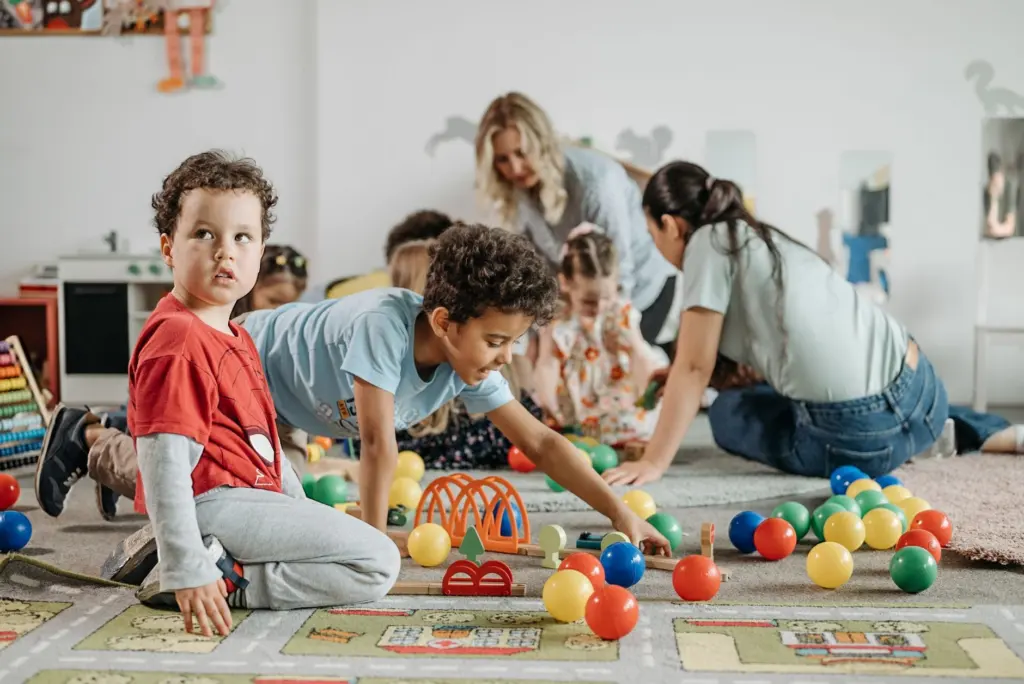
Preschool STEM activities work best as short, hands-on tests with everyday materials: children predict, try, and talk about what happened. At this age, building skills matters more than learning facts, so keep setups simple and open-ended.
The eight activities below need little more than a cup, a ruler or a balloon. Older children can carry the same predict-and-test habit into the science fair project steps.
Why STEM suits the preschool years
STEM is an interdisciplinary approach that integrates science, technology, engineering and math through hands-on, problem-based learning, as ABCmouse describes it. For young children, that means handling real objects and seeing what happens, rather than listening to explanations.
The case for starting early rests on skills rather than content. Learning Beyond Paper states that at ages 3 to 5, skill-building matters far more than content knowledge. It lists the main outcomes as observation, problem-solving, fine motor control, language and confidence. So a child who learns to predict, test and describe is gaining what the activity is for, even if a concept such as buoyancy only partly lands.
Fine motor skills and sensory play
Many STEM tasks double as fine motor practice. Rainbow Childhood notes that these tasks strengthen the fine motor skills needed for writing, tying shoes and using scissors. Block stacking and construction challenges also build spatial awareness alongside fine motor skills, according to Accelerate Learning.
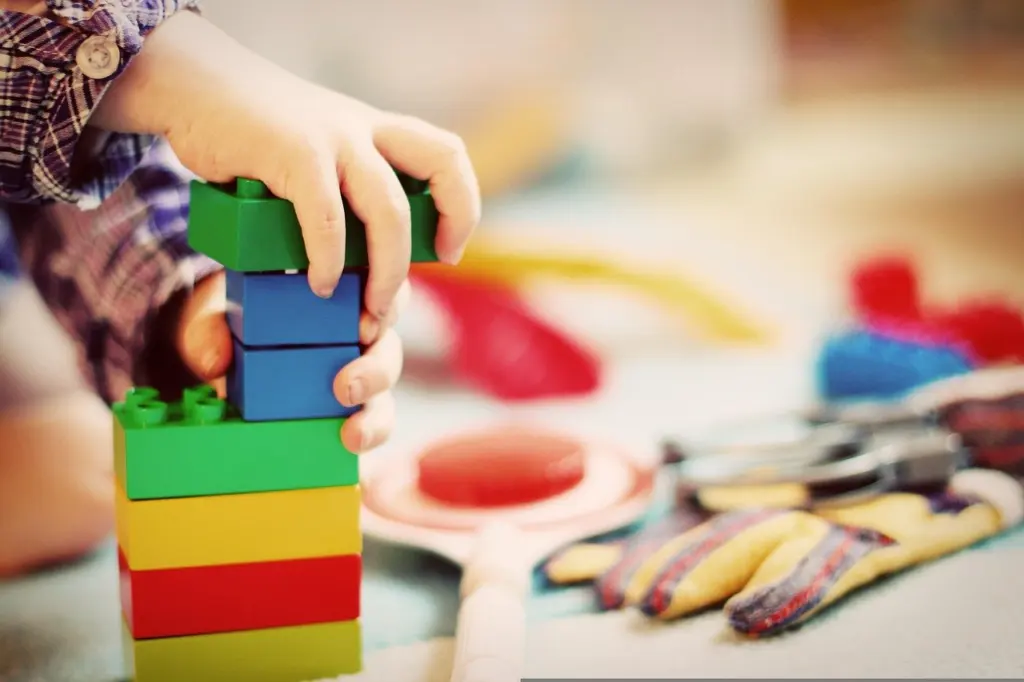
Sensory play adds another route in. A sand or oil sensory bin with brushes and pails, set up as a dinosaur dig, lets children use fine motor skills and sensory exploration at once. Accelerate Learning also says such activities reinforce early math and early science reasoning while supporting state early learning standards, which is useful if you teach in a setting that has to show how play maps to those standards.
Eight low-cost activities and what they need
These activities use household or classroom items, which fits the point that most preschool classrooms already hold many of the materials needed to introduce basic STEM concepts. Learning Beyond Paper recommends limiting the number of items in each activity, so choose one activity and keep the table clear rather than offering several at once.
| Activity | Materials | Planning use |
|---|---|---|
| Sink or float | Large container of water; items to test | A good first session: ask for a prediction, then drop each item in. |
| Balloon rocket | Paper rocket, balloon, tape | An adult holds the inflated balloon shut rather than tying it off. |
| Catapult | Ruler, small block, cotton ball | Minimal preparation; the child adjusts the set-up and tries again. |
| Toothpick and marshmallow building | Mini-marshmallows, toothpicks | Open-ended building of towers, cubes and other creations. |
| Magnet exploration | Refrigerator magnet; household items | Children test what the magnet sticks to or picks up; stay close while they do. |
| Balancing scale | Clothing hanger, two clothespins, two plastic cups | Children compare objects by loading the cups and watching the hanger. |
| Seed growing | Clear plastic cup with drainage holes, potting soil, bean seed | The clear cup lets children watch changes as they happen. |
| Paint mixing | Red, yellow and blue paint | Mix different combinations to see which new colors appear. |
Set-ups follow the activity descriptions in ABCmouse’s preschool STEM guide.
Water and floating
Sink or float is the easiest place to start because the setup is one large container of water. Children drop in different items to see whether they sink or float. Accelerate Learning describes a version using grapes in plain water and salt water, which introduces density and buoyancy through hands-on experimentation. Ask for a guess before each drop, since the prediction is where the thinking happens.
Building, balance and force
Toothpicks and mini-marshmallows let children build towers, cubes and other shapes, so the activity can be as simple or as ambitious as the child wants. The hanger scale asks for a different kind of thinking: two cups hang from clothespins on a clothing hanger, and children compare what happens as they add items. The catapult needs only a ruler and a small block; a cotton ball is a light thing to launch.
Magnets, rockets, seeds and color
For magnets, a refrigerator magnet is enough: children test which household items it sticks to or picks up. The balloon rocket uses a paper rocket taped to a balloon that is blown up and held shut, not tied; release it and watch it go. Seed growing suits patient children, using a clear cup with drainage holes, potting soil and a bean seed. Paint mixing with just red, yellow and blue gives plenty of combinations to try without needing a wide palette.
Two extra options for the youngest children
Nature sorting works for preschoolers, using leaves, stones, sticks and containers to practise sorting, counting and classification, according to Rainbow Childhood. The sand or oil dinosaur dig mentioned earlier suits children who learn best through touch.
Running a session in four stages
A simple routine makes any of the eight activities work harder for learning. Learning Beyond Paper suggests replacing lengthy instructions with one guiding question and letting children move straight into exploration.
- Ask one guiding question. Pose a single question, such as what the child thinks will happen, and then stop talking.
- Let children explore. Hand over the materials and let them test their own ideas.
- Talk it through. Two to three minutes of guided conversation afterwards reinforces vocabulary and helps children process what just happened.
- Change one thing and repeat. A second go with a single change turns play into a test.
Matching activities to age and learning goals
Scaffolding means adjusting how much structure you give, and age is the main thing to adjust for. Learning Beyond Paper’s guidance is specific:
- Three-year-olds: one choice and one test is enough. For sink or float, that might be a single item to predict and drop.
- Four- and five-year-olds: a second round of testing or a simple comparison challenge works well, such as comparing two items on the balancing scale.
- Younger or more cautious groups: nature sorting, from age 2.5, offers low-pressure classification practice.
Across ages, the goals stay the same: observation, problem-solving, fine motor control, language and confidence. If a child loses interest, narrow the task rather than adding more materials.
Adults who want a fuller framework for guiding questions and structured exploration can read about inquiry based science teaching.
Keeping STEM play safe
Safe STEM play comes from matching the material to the child and staying close. Use this checklist before each session:
- Supervise magnets closely. Rainbow Childhood places magnet activities at ages 4 to 5 with close supervision.
- Control the balloon. In the balloon rocket, the adult holds the balloon shut instead of tying it off, as ABCmouse describes.
- Keep drainage in mind. A seed cup needs holes poked in it for drainage, so prepare the cup yourself beforehand.
- Limit the table. Setting out 3 to 4 items per activity, as Learning Beyond Paper advises, also leaves less for little hands to grab.
- Judge small items by the child. Toothpicks and mini-marshmallows are best kept for children who handle small objects well, with an adult nearby throughout.
Measuring progress without a test
Progress at this age shows up in what children say and predict rather than in a score. Learning Beyond Paper’s quick assessment is to observe the vocabulary used and the predictions made. That fits naturally with the guided conversation at the end of a session.
Keep it light. After an activity, jot down one predicted outcome and a few words the child used. Repeat the same activity a few weeks later and compare: are predictions more specific, is the vocabulary richer, does the child try a second round without being asked? Those changes map directly onto the outcomes of observation, problem-solving, language and confidence. Once children are ready for more structure, the sibling guide Fun, Easy 1st Grade Science Fair Projects: 10 Simple Ideas & Parent Tips For Success (2026) – Ricecatalyst shows where these habits lead.
Frequently asked questions
What STEM activities suit preschoolers?
Sink or float, balloon rockets, catapults, toothpick and marshmallow building, magnet exploration, a hanger balance scale, seed growing and paint mixing all use common items. Nature sorting suits children from age 2.5.
Why does STEM matter at this age?
It builds observation, problem-solving, language, confidence and fine motor skills, which at ages 3 to 5 matter more than content knowledge.
How do you keep activities safe?
Stay close for magnet play, hold balloons shut rather than tying them, keep to 3 to 4 items, and save small objects for children who can handle them with an adult present.
How do you measure progress?
Observe the vocabulary children use and the predictions they make, then compare the same activity over several sessions.
Do I need special equipment?
No. Cups, spoons, paper, a ruler, a block and a refrigerator magnet cover most of the activities above.