
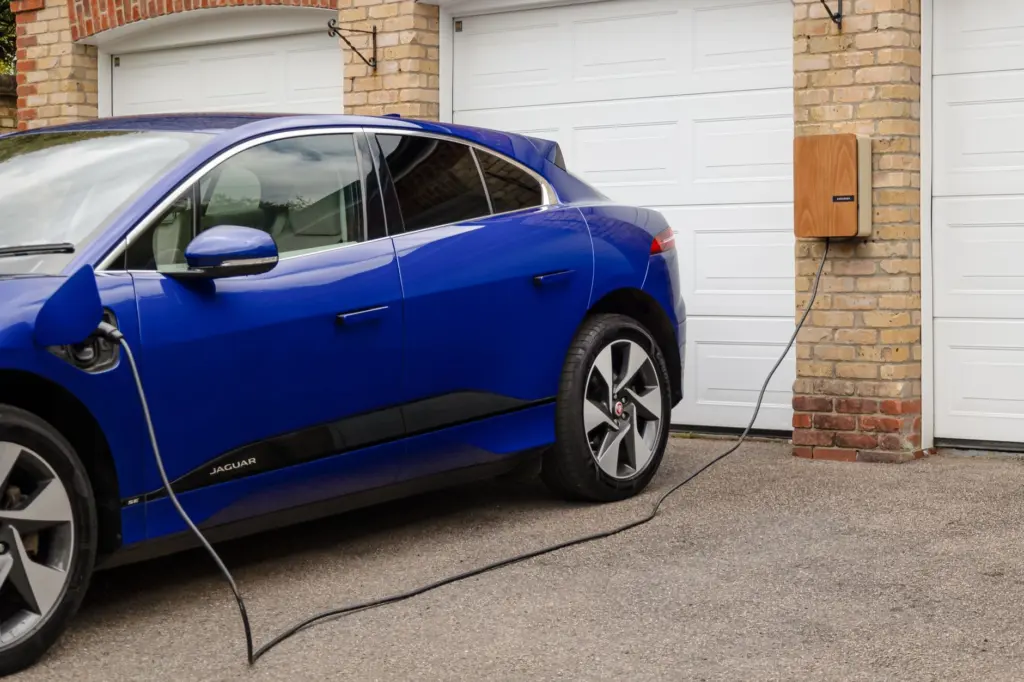
The future changes in automobile technology that matter most to drivers are electric powertrains, software-defined features, connectivity and data rules. Electric cars are already mainstream in some markets, so charging, updates and data choices will shape ownership more than engines.
Cars are one part of a wider pattern, and the hub on how technology impacts society sets that pattern out. The sections below follow the technology in the order it reaches a driver: the stack of changes, the electric market, regulation, charging, driver assistance, software and connectivity, and finally data.
The stages of change inside a modern car
Several changes arrive together, and each depends on the one before it. Seeing the order helps you judge which ones affect a purchase today and which are still developing.
- Powertrain. Battery power replaces combustion engines in a growing share of new cars, and commentary on the industry’s transformation links this to continuing battery advancements alongside zero-emission electric vehicle technology.
- Sensing. Driver-assistance systems use cameras and sensors to detect nearby obstacles and respond to them.
- Software. Vehicles run software for all operations and need regular updates to stay current, according to the same industry analysis.
- Connection. Connected cars exchange information with other vehicles, road infrastructure, pedestrians and networks, as an automotive safety-technology blog explains.
- Data and rules. The same connection that adds convenience also adds cybersecurity risk, so regulation and data practices decide how safely the other stages work.
The practical result is that a car stops being a fixed product. It becomes a platform whose features, safety behaviour and risks change after purchase. The electric market is the stage with the clearest numbers, so it comes first.
Electrification: the 2025 baseline
The International Energy Agency reports that the electric car market reached new highs in 2025, growing by 20% from 2024 to exceed 20 million sales. The table shows how unevenly that growth is spread, which matters when you ask how cars will change by 2035.
| Market (2025) | Electric car figure | Planning use |
|---|---|---|
| World | Over 20 million sales; 25% of new car sales | Electric cars are a large minority of new sales globally, not a niche. |
| China | More than 13 million sold; about 55% of new cars | Shows what a majority-electric new-car market looks like; it is not a global average. |
| Europe | 4.2 million, or 28% of all new cars sold | Useful for drivers in markets with strict emissions rules. |
| Germany | 850,000, up 50%; average battery electric price down about 6% | Rapid growth can coincide with falling prices, so waiting may lower cost in some markets. |
Figures are from the International Energy Agency’s Global EV Outlook.
Two further IEA figures put the numbers in context. About 5% of the global car stock is now electrified, and that stock displaced 1.2 million barrels of oil per day in 2025. Sales share changes quickly, but the cars already on the road change slowly. A 25% share of sales therefore translates into a much smaller share of the cars people actually drive.
The IEA also reports that battery electric cars were 65% of electric car sales in 2025. If you are comparing electric options, treat the battery as the part that matters most, because it is the component that defines the vehicle’s range, cost and ageing.
The decision logic is straightforward. If you drive in a market with a high electric share, expect strong used-car and charging ecosystems to follow. If you live in a market with a low share, the technology is the same but the supporting infrastructure may lag, so check local charging before committing.
Regulation timelines that set the pace
Technology sets what is possible, and regulation sets how fast it reaches buyers. The IEA notes that EU CO2 standards for cars took a step change from 2025, targeting an emissions reduction of 15% compared with 2021 levels. That target pushes manufacturers toward selling more electric models in the near term.
For the longer horizon, the IEA reports that the EU Automotive Package, proposed in late 2025, is aimed at further increasing regulatory flexibility for 2030 and 2035. Read that carefully: it signals that the rules for those years are being adjusted rather than fixed. The practical advice is to avoid planning a purchase around a single announced date. Check the current rules in your own country or region, because timelines in different jurisdictions may move in different directions.
The same logic applies to other technologies. Rules on driver-assistance behaviour, data use and connected-vehicle communication will shape what features appear in your car and when. A feature that exists technically may arrive late, or in a restricted form, because of the rules around it.
Charging at home and in public
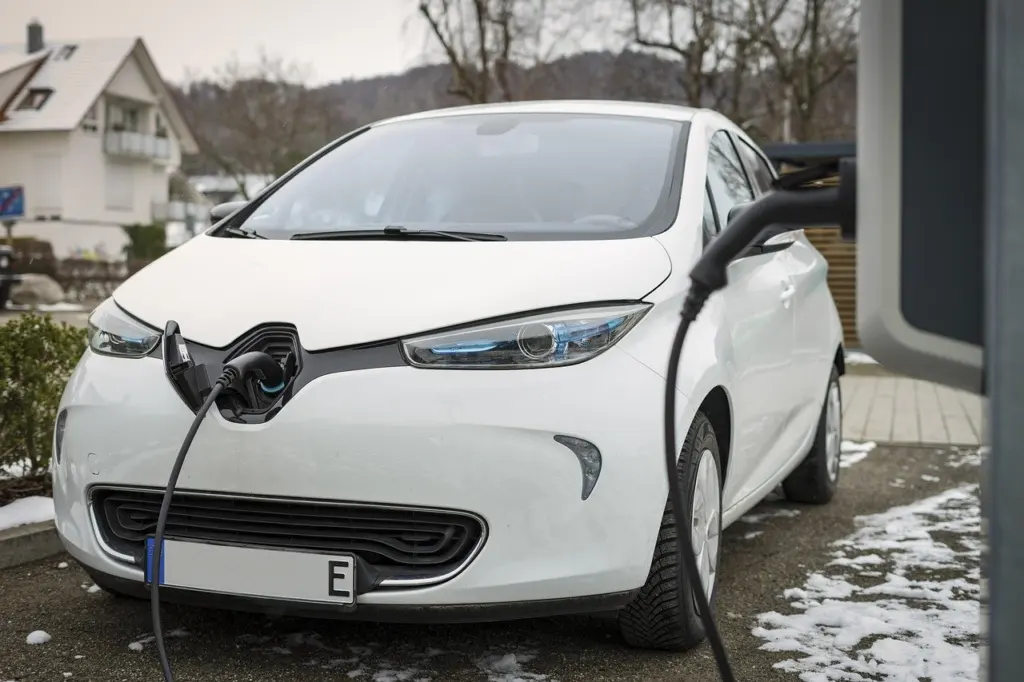
Charging is where electrification meets daily routine, and the right choice depends on where you park. Drivers with a fixed off-street space can plug in where the car already sits, so charging becomes a background habit rather than a trip to a station. Drivers without that space depend on public charging and need to check that it is reachable and reliable before choosing an electric car.
Home charging
A wall-mounted unit and cable at the parking space is the simplest arrangement. It turns refuelling into something that happens while the car is parked anyway. The cost, installation requirements and any grid programmes vary by location, so confirm them with your electricity supplier or a qualified installer rather than assuming a standard setup.
Public charging
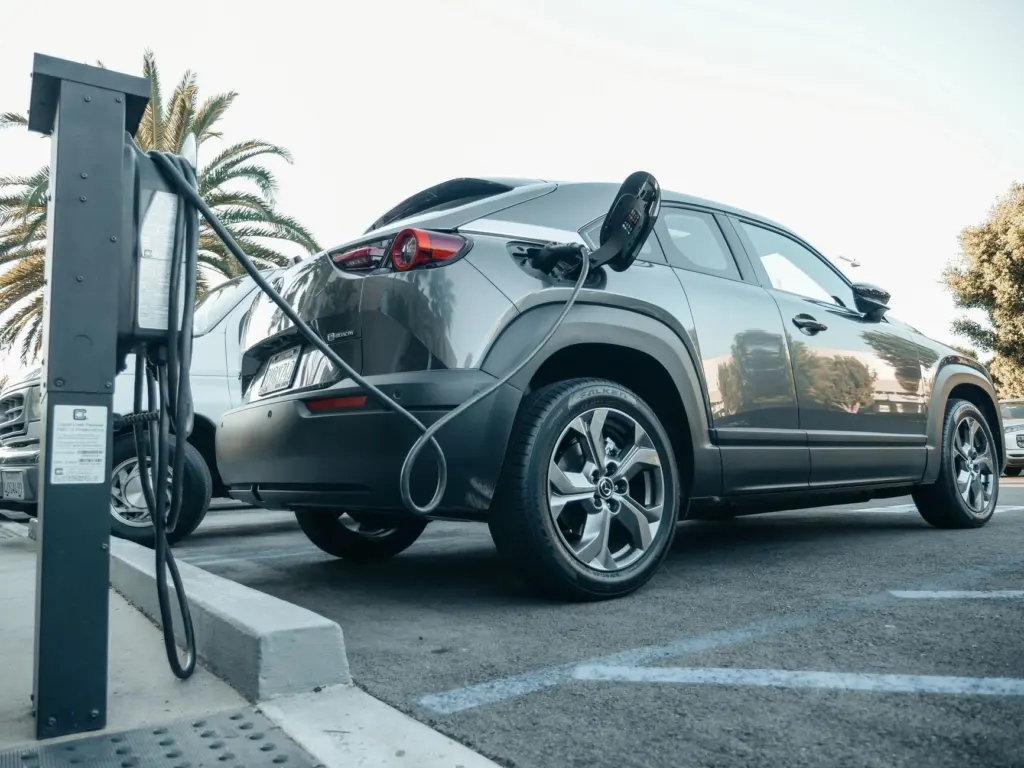
Public chargers matter most for drivers who cannot charge at home and for longer trips. Because battery electric cars are 65% of electric car sales according to the IEA, most new electric buyers will depend on plug-in infrastructure rather than fuel stations. Before buying, look at the chargers along your regular routes and near your home and workplace, not just the number of chargers in your region.
Driver assistance and autonomy: what the evidence supports
The documented features today sense and react; they support the driver rather than remove the driver. Automatic emergency braking is a clear example: sensors detect the gap to the vehicle ahead and the system automatically activates the brakes if that distance shortens suddenly. Camera-and-sensor systems do the broader work of spotting nearby obstacles and responding.
The learner’s takeaway is about responsibility. The same safety-technology commentary stresses that road safety falls not only on car manufacturers but also on drivers. A system that brakes for you does not remove the need to pay attention, and treating assistance as a replacement for attention is the most common misunderstanding about these features.
Screens add a different risk. The blog cites a study, which it does not name, finding that drivers using touchscreen features were distracted for more than 40 seconds. Treat this as a reason to prefer controls you can operate without long glances at a display, and to set up navigation and media before moving, while accepting that the figure comes from a secondary account of the study.
Fully driverless operation across all roads is a much larger claim than anything these assistance features demonstrate. When a manufacturer describes a system, ask what it senses, what it does automatically and what you are still expected to do.
Software updates and connected vehicles
Software changes how long a car stays current. Industry commentary contrasts the prevalent 5-8 years model cycle with yearly software and hardware updates, which is a vendor view rather than a measured outcome. The direction is still clear: features and fixes can arrive after purchase through over-the-air updates instead of waiting for a new model.
This has two consequences for buyers. A car that is updated regularly can improve over time, but a car that stops receiving updates can fall behind its own sensors and security. Because vehicles use software for all operations and need regular updates to stay current, the update policy is part of the product, so ask how long updates are supplied and what they cover.
What V2X does
V2X, or vehicle-to-everything communication, lets a car exchange information with its surroundings. The categories are vehicle-to-vehicle (V2V), vehicle-to-infrastructure (V2I), vehicle-to-pedestrian (V2P) and vehicle-to-network (V2N). Connected vehicles can share information about their speed, acceleration and direction, and that information can be used to adjust driving. A driver may see this as an earlier warning or a smoother response rather than a feature they operate.
Location is the other half of connection, because a car must know where it is and others must be able to locate it. The principles behind this are covered in How Does a GPS Tracker Work? A Clear, Practical Guide For 2026 – Ricecatalyst, which is a useful companion if you want to understand what positioning data reveals. For the wider picture of which innovations are arriving alongside connected cars, see Future Technology Trends: 7 Breakthrough Innovations Shaping 2027 And Beyond – Ricecatalyst.
Vehicle data and cybersecurity
Vehicle data is only as safe as the software that holds it. The safety-technology blog states that modern vehicles are now connected to the internet, which brings both convenience and cybersecurity risks, and that hackers could potentially exploit any vulnerabilities in a vehicle’s software to gain unauthorized access. This is a general risk of connected software, not a prediction about any particular car.
Three practical habits follow from this. Install updates when the manufacturer provides them, because updates are how vulnerabilities get fixed. Review what connected services you actually need, since each connection is a possible route in. Ask the seller or manufacturer what the car shares and with whom, and choose the privacy settings that suit you where the car offers them.
The societal point for learners is that data and safety are linked. Connected cars can improve safety by sharing speed, acceleration and direction, yet the same flow of information makes security and privacy a shared concern for manufacturers, regulators and drivers alike. The right question is not whether to connect, but who controls the data and how well the software is maintained.
Frequently asked questions
How will cars change by 2035?
The clearest changes are more electric cars, more software and more connection. The IEA reports that EU rules are being reshaped for flexibility around 2030 and 2035, so the exact pace depends on regulation as well as technology (IEA).
How safe is vehicle data?
It depends on how well the software is built and maintained. Connected vehicles carry cybersecurity risk because software vulnerabilities could allow unauthorized access, so keeping updates current and limiting unnecessary connected services reduces exposure.
What is V2X in a car?
V2X is communication between a vehicle and other vehicles, infrastructure, pedestrians or networks. Connected cars can share their speed, acceleration and direction so that driving can be adjusted.
Do over-the-air updates matter when choosing a car?
Yes, because vehicles that run software for all operations need regular updates to stay current. Ask how long updates are provided and whether they cover safety and security as well as features.